What is Your Impact on the Environment?
I created a survey asking people questions about their impact on the environment and climate change. I had a total of 13 responses.

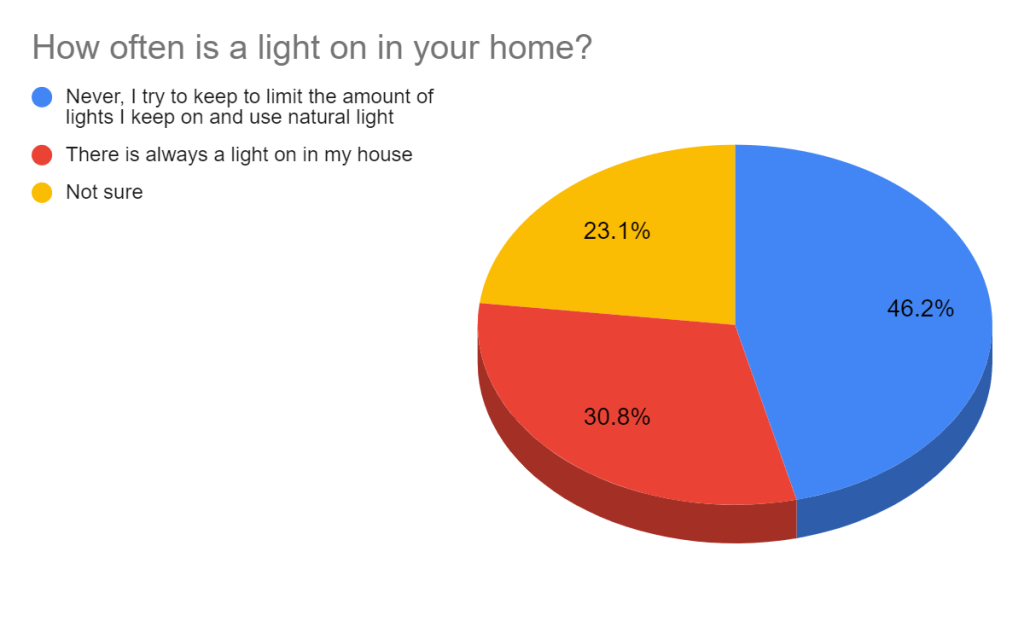

If you are interested in taking the survey, follow this link.
Final Project Workshop
- The name of my project is Save the Earth
- A description of my project is to find ways people can make changes to their daily lives to limit their environmental impact.
- I want to focus on climate change as a theme but be able to attack this from a more specific level by changing little habits in life to help slow climate change. These changes can be turning off the water when you are brushing your teeth or reducing your use of plastic and having reusable bags for groceries. Mission is to limit environmental change and slow climate change.
- I would like to use social media and graphics and maps with data to help tell my story and be more persuasive and taken more seriously.
- I have seen work that seems to be pretty popular by trying to slow climate change with lots of people interested in that project. This inspires me that my blog can get traction and make an actually impact in the community.
- I will try and find more research on this topic this week. Focus on talking to groups and other people by listening to what they think when it comes to climate change. I will try and create a plan as to what can help the environment but is also comfortable for the community when changing their habits a bit. Ask the community about my proposed plan to make a better prototype that could actually be tested.
Writing Proper Photo Captions for All Photos
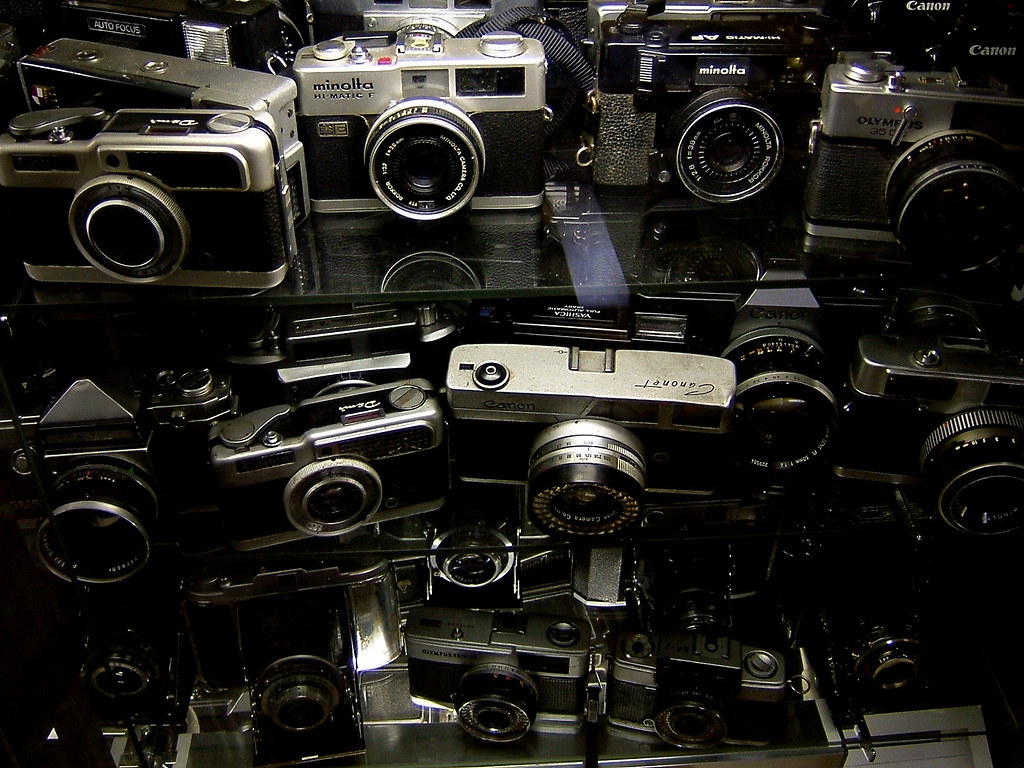
3 Photos I found online
 Photo credited to Sam Seizert. Photographer taking a photo with old-fashioned camera.

Photo credited to TheWOWClub . People crossing a bridge in a forest

Photo credited to Naparazzi. Rugby players runs and tries to avoid defenders.
3 Photos I took
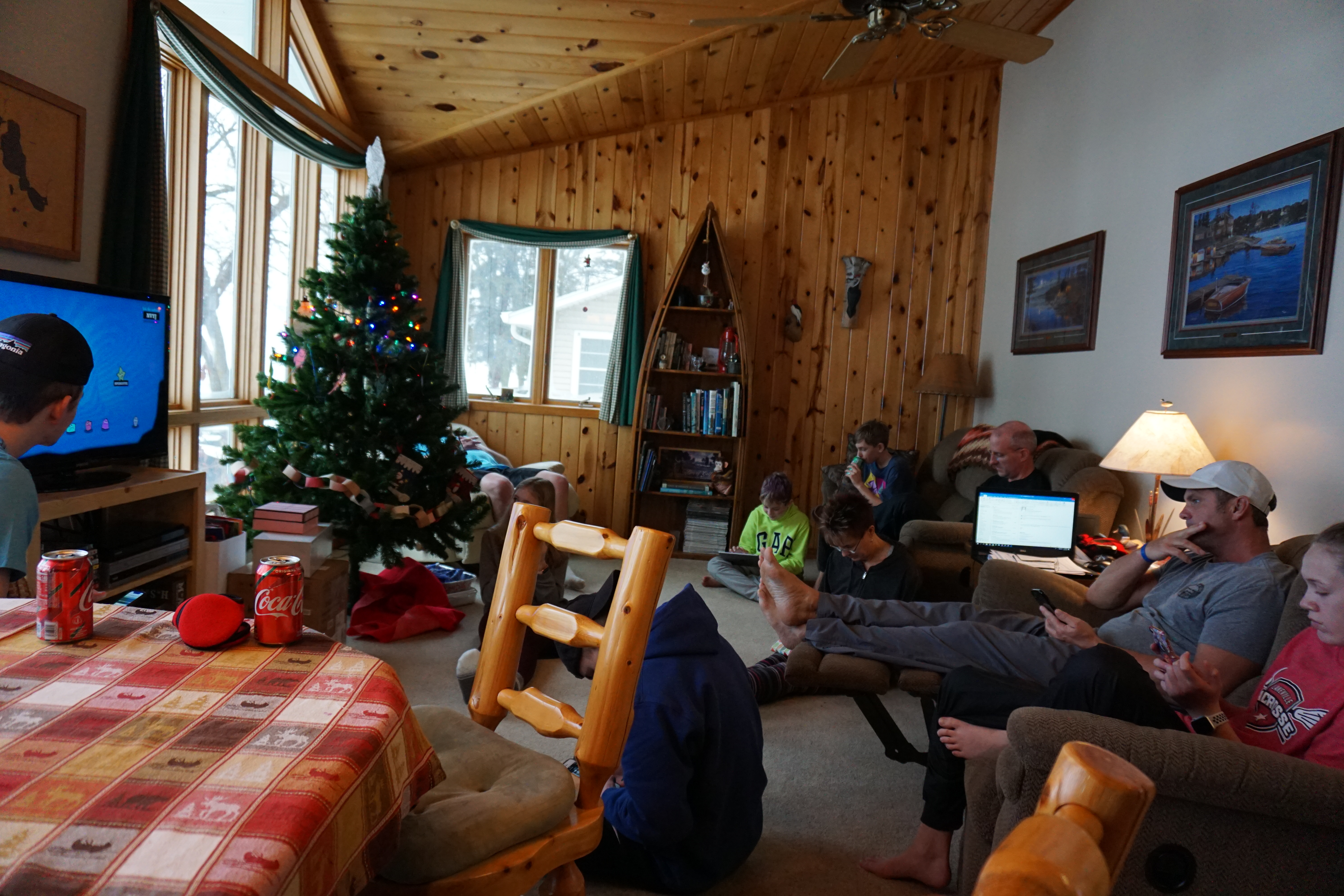
Photo credited to Jacob Tschida. Family included with three adults and six kids enjoy the technology of the modern day. Photo taken December of 2018

Photo credited to Jacob Tschida. Family of five plant flowers on fallen relatives and the tradition continues another year. Photo taken in May of 2019.
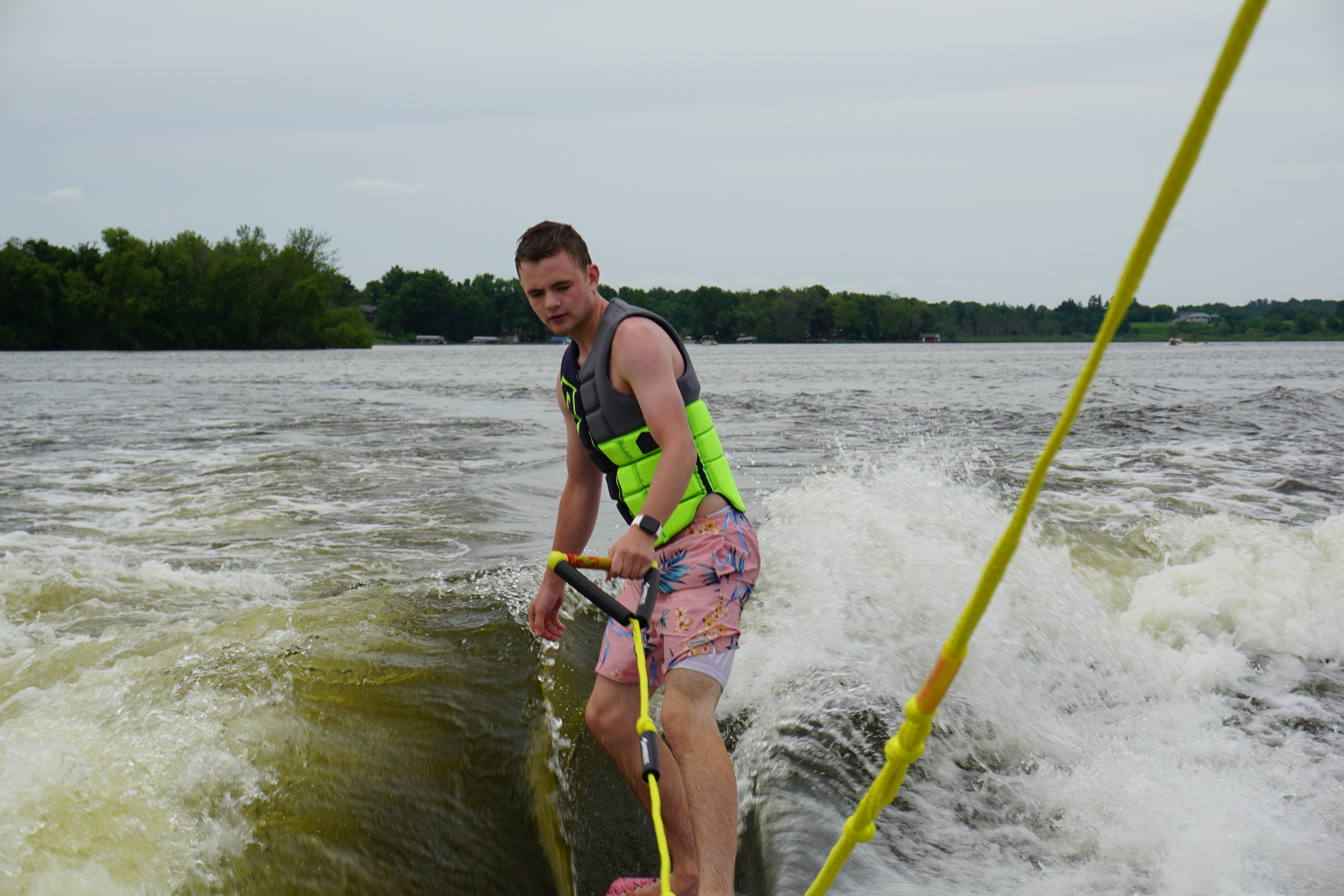
Photo credited to Jacob Tschida. Brother, Luke, wake surfs behind boat while family and friends cheer on a cloudy summer day. Photo taken in July of 2019.
Empathy Research

- What topic, community, problem, issue or “thing” did you decide to explore?
The topic I decided to explore was how people could reduce their effect on the planet using daily tips that everyone can do. - Who did you decide you should talk to, observe, interview to learn more about this? Be specific. (I am asking you to talk to at least 5 different people for this assignment)
- I decided to talk to a professor at UMD, my roommate, a friend who is apart of a climate change club at St. Scholastica, a member of the Lights Out club at UMD, and a professor who is researching climate change at UMD.
- What methods did you use to talk with people? (Focus groups, planed interviews, man on the street, polls…)
- I talked to clubs at UMD and St.Scholastica. Reached out to experts for planned interviews. Most were planned interviews but some were just talking and asking questions to people.
- What did these people tell you? Summarize what you learned from your interviews. Use as much detail as you can based on your responses.
- I learned how important the issue of climate change is and how urgent the matter is. All of the people I interviewed explained how necessary it is to take action now and not wait until it is too late. They explained the little habits that can be changed to help lower the impact that we as humans have on the environment. The urgency in their voices stuck with me throughout the interviews and into my thinking of how to compose this post.
- What did you learn that surprised you?
- Many of the people that I had interviewed were very aware of the issues that were at hand, when speaking about climate change, they were very focused on finding new ways for people to change their daily habits which surprised me. Thinking about how the community can change was a main focus and was pretty surprising.
- What kinds of problems, topics, ideas did you discover that you would like to learn more about?
- I think the main topic I want to learn more about is how we impact the environment on a daily basis and how climate change is effecting us in everything we do.
- What key insights or findings did you discover that excited you most?
- I think the insights that intrigued me the most were how easy it is to not think about the environment and how much impact we have on the issue of climate change. How many little things there are that could change the effect regular people have on the environment. There are so many ways to limit your impact, just by turning off a light. That was really interesting to find out.
- What’s next? What do you think your next step is?
- I think my next step is to reach out to more of the community and listen to try and create a prototype to test as a solution to the problem.
- Reflection: Briefly, did the design thinking process help you see this topic in a new way?
- I’m not sure if design thinking gave me a new perspective. I was already aware of the importance of listening to the people I talked to. Helping to collaborate with other people did help me see a clearer picture of what this project is to me. To see a pattern of what this project and research is going to be.
Daily Tips to Help the Environment

The topic or area of concern that I would like to explore is climate change. Now I know I won’t be able to fix climate change all together. My goal is to find and inform citizens of Duluth certain little tips and tricks to reduce their carbon footprint and become greener. Daily tasks that many people may not know about but can make a big difference on the environment.
Well in the terms of climate change I don’t think many people know the true facts or impacts of what they do everyday. I also believe that people need more information on how to help reduce their impact and preserve the planet, there are many places where you can find misinformation or censored information because the government doesn’t want to believe in climate change and that hurts the chances of helping to slow or stop it. So getting more information out their for people so they can help change.
I could use design thinking by starting with this problem of becoming greener in our everyday lives. Talk to residents in Duluth to see what they are or aren’t doing and then listen to why or why not they are doing some of these things to think like the audience I would be trying to persuade in a sense. I could also talk to scientists and researchers who specialize in climate change and become greener and ask what they think could help the environment that everyone is able to do everyday. I would also contact clubs around the universities to see if they are living up to what they believe in and changing their habits to become greener.
I would come out with a plan or proposal to ask people if they could complete these certain tasks in a day and if it works then it could be a solution to the problem, if not then I keep listening to them and figure out a new plan that would work for every person.
From the first conversation with my classmates I learned that they are many people who believe in what I believe in and asked questions that helped me narrow down exactly where I wanted my focus of this project to be. They helped me figure out a plan and visualize a website that would be successful in solving this problem.
One example that really caught my eye was “A New Kind of Community Strategy at Fusion” because they really focused on the community and listening to them and creating a solution that fit the average person’s needs not a specific person. They also create stronger connections and relationships with the people in the community that helps grow their solution.
I think my logical next steps would be to talk to people and learn about their concerns and questions about my problem. Talk to experts on this topic and figure out what the two have in common to find a base that we can build off of.
Empathy will play a huge role in my project. Being able to talk to people and hear their reasons and concerns and what they believe. This will only help strengthen the solution of the problem by having the solution tailored to a community member of Duluth that many other people can relate to and not some scientist that not many people can relate to. Listening is the key here and being able to act on what was heard to frame the right solution.
What’s Your Problem
1.) I am not really sure what problem I want to learn more about but I am interested in climate change and the impact of the changes on the community and how to change for the better. I’m not exactly confident what question I’m trying to answer within this topic.
2.) A problem is different than a solution because the solution is the answer to the problem. A problem is stating what is wrong about a certain topic such as climate change impacting our planet for the worse and all of the horrible things that can happen if it isn’t stopped, that is a problem. The solution is finding ways to fix the problem, like to lower carbon emissions or not use as much plastic, etc.
3.) I can talk to the mayor and the university to find out ways that are or aren’t combatting climate change. I could also talk to local scientists to find out what they think about climate change and the changes that need to be made. Talking to clubs around the university and community who are fighting to stop climate change could give me more information on the topic.
Brainstorming for Final Project
Trying to figure out what I will be focusing my undivided attention on for the rest of the semester is a difficult task. Especially considering the project is worth 200 points.
When discussing entrepeurnial journalism to traditional journalism there are some ways they are similar but other institances where they differ.
Both entrepreneurial and traditional journalism are trying to make money by writing and breaking stories that would be of interest to the public.
One way they differ is that entrepreneurial journalism seems to be more about content and what is going to get the most reactions which relates to how much money will be profited. Rather than publishing the story that is actually news and could have a greater impact on the public than just some news about a celebrity.
One area of journalism that inspires me is just the fact of bringing the important stories to the public and informing them without any bias. Stories that actually have an impact on the public and you can tell are there to inform because it is their job not to publish to make money.
Using my knowledge, interests, and passions is the only way I see fit to find an idea for my final project. I will look for certain problems that include some of my interests which I should have some knowledge in already and use journalism to change what is happening.
Photography, sports, nature, music, and family are just a few of my interests that I will be researching to find problems in those areas.
For example I could find something will sports and find a problem there and since I have followed sports since I was a kid, I have a very deep understanding of many sports and am very passionate about them.
The Design Thinking model is something I agree with. Being able to empathize with people and have an open mind is rule number one of design thinking. Talking to people and stepping in their shoes and thinking about the problems in their shoes could help me find something to fix.
When I find a problem I think is worth writing about I will consult with other classmates and get their opinions to figure out what other paths I could take with this particular problems that I wouldn’t have thought of by myself. Just getting their thoughts and letting them critique me to find a story or problem worth investing in.
Duluth Places
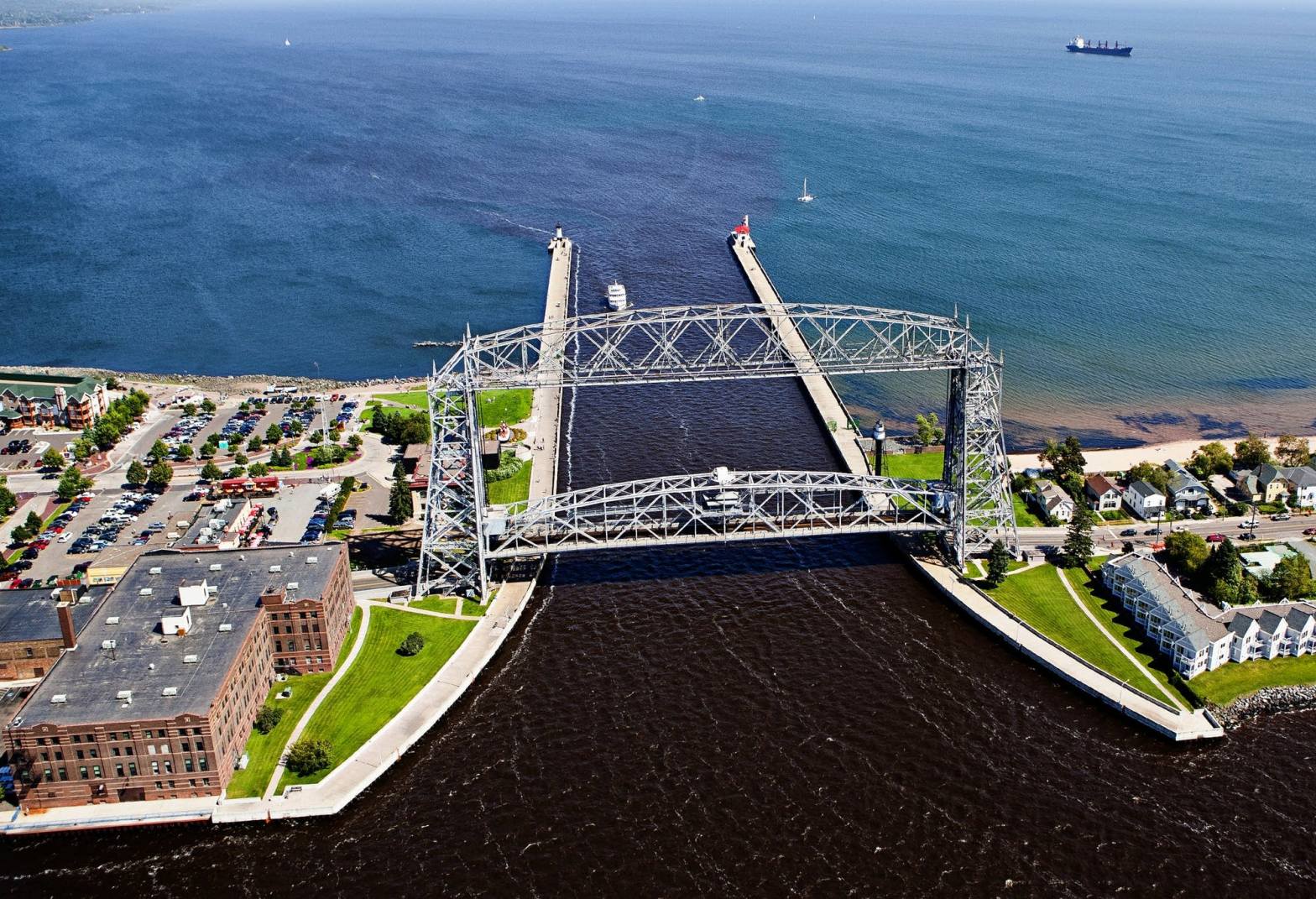
In my first blog post I will be sharing some interesting places to see when visiting Duluth from my own experience and others.
Continue reading “Duluth Places” Jacob's Blog